
Published as part of the Summer 2026 Quarterly Newsletter
Think your campus’s latest initiative or lesson learned isn’t “presentation-worthy”? Think again!
In the field of college health and wellness, professionals often wear countless hats and navigate complex daily challenges, meaning a solution developed on one campus might be the exact breakthrough a colleague elsewhere is searching for.
Bringing these initiatives to the national stage bridges the gap between great ideas and widespread impact. Whether originating from a small college or a large university system, every shared experience adds a vital perspective to the student health and well-being landscape—ensuring that a breakthrough on one campus becomes a transformative tool for other institutions nationwide.
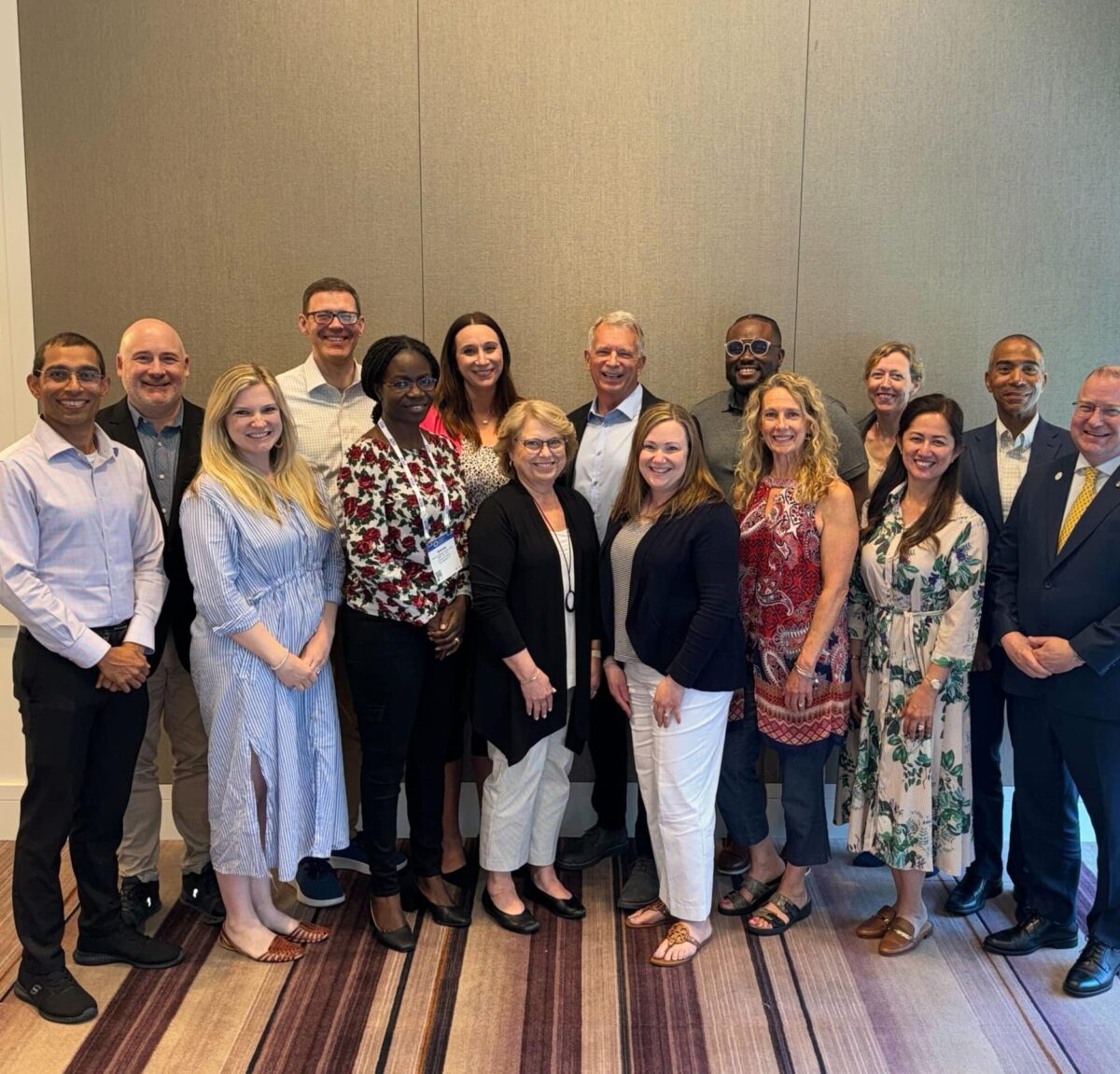
In this Q&A, Annual Meeting Program Planning Committee Chair April Lehrling, MS, RN-C, Southeastern Oklahoma State University, shares a personal journey to the presenter stage, key insights on what makes a standout proposal, and why every institutional voice belongs at ACHA.
Inspired to submit a program proposal for ACHA 2027? Click here to learn more.
Q: Think back to your own experiences being a presenter. What was the specific campus issue, project, or student need that first motivated you to submit a program proposal?
A: I was working with the ACHA program planning committee and a risk assessment gap had been identified in the administrative practice areas. As an expert in the group began to share the formal structure used at her institution, we began to talk about how my department handled it on my small campus. She pointed out that we were doing the same thing—there was just a formalized structure at her institution that could be instituted on a smaller scale for my campus.
She felt that sharing my small school perspective could resonate with others. She acted as leadership to our proposal’s development, and we shared our varied examples from our individual campus experiences. It was nerve-racking, but when we got the evaluation back and it showed that we had increased participants’ knowledge, it was all worth it!
Q: Many professionals do amazing work on their campuses every day but don’t think of it as “presentation-worthy.” How can someone recognize that their everyday campus successes are actually worth sharing on a national stage?
A: If people are talking about what you are doing on your campus, consider if it might be worth sharing. If you are talking to other professional colleagues and they are asking for your card to talk more, that might be an area where others could utilize your ideas further. If you see a program and think to yourself “our campus did a great job on something like this” and there is no representation of a facility of your size, then bring it to us this year!
Q: Sometimes our greatest breakthroughs come after a setback or a pivot. Why is it so valuable for presenters to share not just their “perfect” outcomes, but the honest lessons they learned along the way?
A: Growth. We develop as professionals and often learn more from the setbacks than the perfect moments. Other campuses might also be on a similar path with a project, and your setback can lend insight as they maneuver through the development on their own campus. In college health we often wear many hats and time is limited. Being on a journey of discovery together, we can save time and energy learning from others and adapt great ideas for our own campuses.
Q: Our field represents so many different roles and campus types. Why is it vital that this full diversity is reflected on the presenter stage at ACHA?
A: All of our professional practice areas and assorted campuses have valuable information to share with others. It is always helpful to see how the various roles came together to collaborate and develop a project. Understanding how we can work together to create a robust offering—often presenting various perspectives we may not have considered—can help us fully realize the limitless ways to accomplish something needed for our individual campus community.
Q: What is the most rewarding part of presenting at the ACHA Annual Meeting?
A: Having someone approach you afterward and share that the program resonated is the most rewarding.
Q: How has presenting at ACHA and beyond impacted your own professional development, career trajectory, or confidence back on your home campus?
A: Finding your voice in front of your peers is different than presenting to students on campus. I got a late start in presenting but have always loved giving to the association in other ways. For me, setting the goal of speaking and sharing my perspective was a huge challenge! Was there anything I could share that others might find value in, coming from a small school? I found that ACHA is a wonderful audience!
I hope to encourage others to stretch professionally. Find others with a similar concern and a varied experience, bring those perspectives together in a presentation and demonstrate the need with the combined voices of others, discussing how each has created workable solutions for their campus. Gather a diverse group of professionals from your institution and share how each of you contributed to the creation of a project or service that addresses a campus need or gap. Encouraging others is the legacy of leadership I hope to leave within ACHA.
Q: It’s always exciting to see ideas jump from a presentation slide into real-world campus practice. In your eyes, how does sharing these solutions ultimately make a difference for the students we serve?
A: There are so many ideas out there that we haven’t thought of and so many needs to address in our communities. There is so much new information on best practices entering our lives every year. ACHA allows us to touch on important practice developments and see the creative ways to accomplish the work we do every day. We can all use a new perspective, fresh ideas, and a collaborative resource or sounding board to accomplish the work we do in ways that students are open to receiving.
Quick favorite for me: The poster sessions have always been a great source to find a program or practice modification that can be brought back home and stood up on my campus fairly quickly!
Q: The theme for ACHA 2027 is Building Connection: Inspiring Community. From your perspective, why is prioritizing community and connection so critical to advancing student health and well-being right now?
A: We should not, and cannot, do this work alone. Just like peer education is proven to have a great impact with our students, we can also benefit greatly from a professional peer support network to advance our own endeavors.
Surrounding ourselves with community builds us up and encourages us when the work gets tough or we need support.
Networking across campus builds coalitions that can help accomplish initiatives and get buy-in that is needed to keep the work advancing through the university process.
Connecting with students to show you care and see their needs helps build trust, and students feel their voice is valued.
Relationships. It’s all about relationships!
Q: What are some of the key things the planning committee looks for in a strong, successful proposal?
A: Sharing information that identifies a need or gap across college health in the educational needs of your program design. Setting up a program that addresses the diverse educational needs of the audience and crafting well-written objectives is also important. Make sure when you are submitting a proposal that you craft a document that pays close attention to the outline and examples provided.
Q: What would you say to a college health professional who is on the fence about submitting a proposal for the 2027 Annual Meeting?
A: Take the step and submit! With each submission, we learn and grow. Not all of our ideas will land, but we won’t know until we try. Not ready to submit? Try volunteering to be a program submission reviewer. It will grant insight into the process for when you ARE ready to submit.
Related Links
Use the links below to submit a proposal for ACHA 2027 in Philadelphia:
Post Type
Articles, Quarterly Newsletter Articles